
The evolution of gambling tracing its historical roots through time
The evolution of gambling tracing its historical roots through time
The Origins of Gambling
The practice of gambling can be traced back thousands of years, with its roots embedded in ancient civilizations. Archaeological findings suggest that games of chance were played in Mesopotamia, where dice made from animal bones were utilized. The allure of risk and reward was evident even then, as these early games laid the foundation for what would eventually evolve into modern gambling. Today, you can find exciting options like https://chicken-roadgame.uk/, which capture that same thrill.
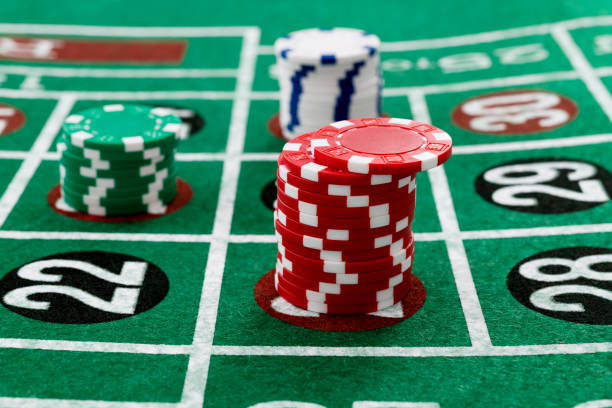
As time progressed, gambling practices spread across cultures, from the ancient Chinese who used rudimentary forms of betting on outcomes to the Romans who engaged in more structured games. These historical practices reveal that gambling was not merely a pastime; it served various purposes, including social bonding and economic transactions.
Gambling in the Middle Ages
The Middle Ages saw the rise of gambling as a significant social activity in Europe. During this time, the establishment of betting houses became common, allowing people to place wagers on various outcomes, including sports events. The introduction of playing cards during this period revolutionized gambling, leading to the development of numerous card games that are still popular today.
This era also marked the formalization of gambling laws, as governments recognized its influence on society. Regulation aimed at controlling illegal gambling and protecting players began to emerge, reflecting a growing awareness of the implications of gambling on public welfare.
The Birth of Modern Gambling
The 17th and 18th centuries heralded the birth of modern gambling with the establishment of state-run lotteries and betting establishments. The emergence of casinos in Europe, particularly in Italy, introduced a new level of sophistication to gambling activities. These establishments offered a range of games, including roulette and baccarat, which attracted the elite and became synonymous with luxury.
This period also saw the formulation of mathematical theories and probabilities, allowing players to develop strategies for various games. With the rise of literature surrounding gambling, such as the works of mathematicians and writers, gambling began to be perceived not only as a game of chance but also as a game of skill.
The Digital Revolution and Online Gambling
The advent of the internet in the late 20th century dramatically transformed the gambling landscape. Online casinos emerged, offering players the convenience of placing bets from the comfort of their own homes. This shift democratized gambling, making it accessible to a broader audience and introducing new forms of play, such as virtual slots and live dealer games.
Additionally, advancements in technology led to the rise of mobile gambling, allowing players to engage in betting activities via smartphones and tablets. The integration of secure payment methods and innovative gaming experiences has solidified online gambling as a significant segment of the gaming industry, reshaping the way people interact with games of chance.

The Future of Gambling
As we look to the future, the evolution of gambling continues to unfold. Innovations such as virtual reality and blockchain technology are on the horizon, promising to enhance user experiences and ensure transparency in transactions. The regulatory landscape is also evolving to address the challenges posed by online gambling, aiming to protect players while fostering a safe environment for wagering.
This website stands at the forefront of this evolution, providing insights and resources for those interested in the world of gambling. Whether exploring historical trends or current innovations, our platform aims to educate and engage users, ensuring they are well-informed about the gambling industry today and in the future.